
About CSHS
Introduction:
Chinese Society for Horticultural Science (CSHS) was founded in April 1929. CSHS became a country member of the International Society for Horticultural Science (ISHS) in 2010. CSHS currently has around 15,000 individual members, including 10 academicians of the Chinese Academy of Engineering, over 50 institutional members, and the number of members and scientists is steadily growing. The Society has 5 specialized committees and 37 branch offices, and the Secretariat.
Publications:
CSHS supports Acta Horticulturae Sinica (ISSN: 0513-353X) and Horticultural Plant Journal (HPJ, ISSN: 2095-9885). Both of the journals are stable in size and profitability. HPJ is a bimonthly English academic journal, authorized by the China Association for Science and Technology (CAST). HPJ’s rapid rise is driven by its clear international and specialized focus, backed by China’s strong horticultural research. Its open‑access model also accelerates the dissemination of research.
CSHS focuses on eight pillars:
·Technological innovation
·Industrial development
·Capacity building
·Academic exchange
·Industrial service
·Science communication
·Journal publishing
·International collaboration
Missions of CSHS:
·Unite horticultural scientists and technologists nationwide
·Promote the prosperity and development of horticultural science and technology
·Advance the dissemination and extension of horticultural knowledge and practices
·Foster the growth and professional development of horticultural talents.
Academic Exchanges:
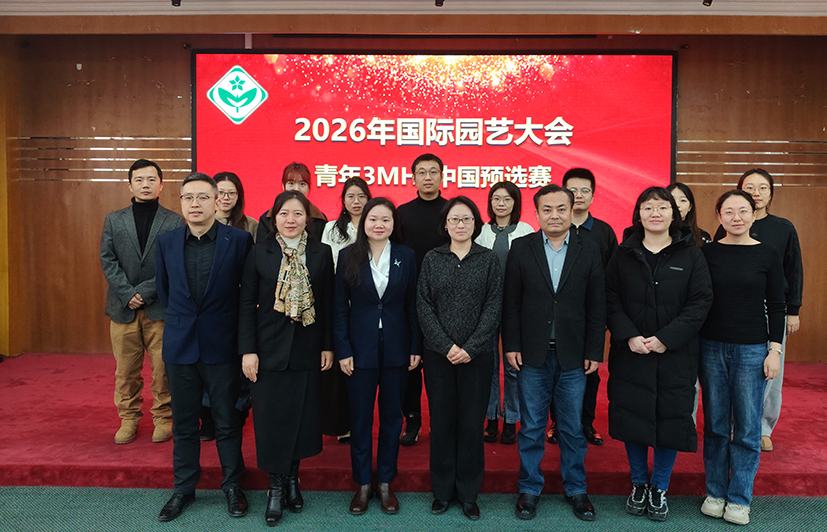
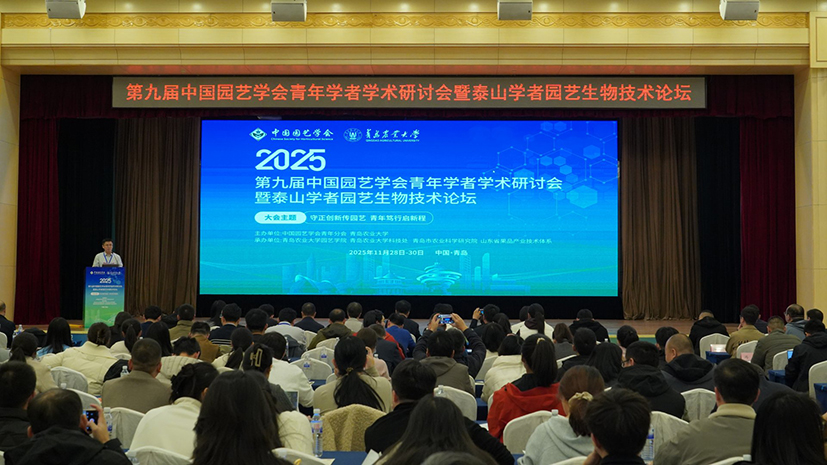
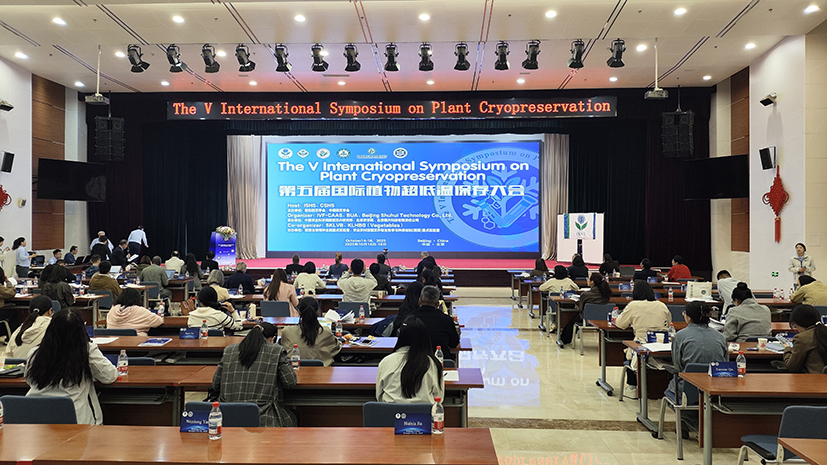
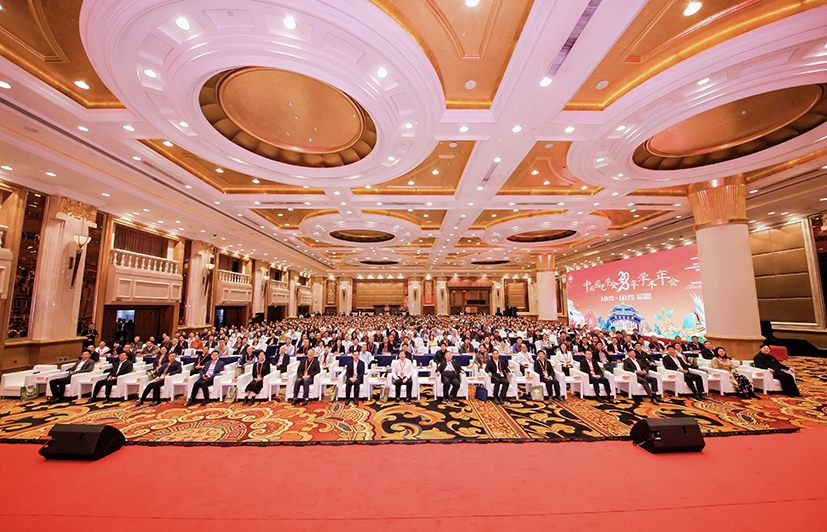
CSHS has organized impactful academic events in horticulture. From 2018 to 2025, it held 352 conferences and training sessions with 860,000 total attendees. Recent annual meetings each draw 1,200–1,500 participants. It has also hosted major international symposia, including the 10th International Strawberry Congress, 9th International Rose Congress, 5th International Symposium on Plant Cryopreservation, and 13th International Symposium on Ethylene in 2025 alone.
Service Industry Function:
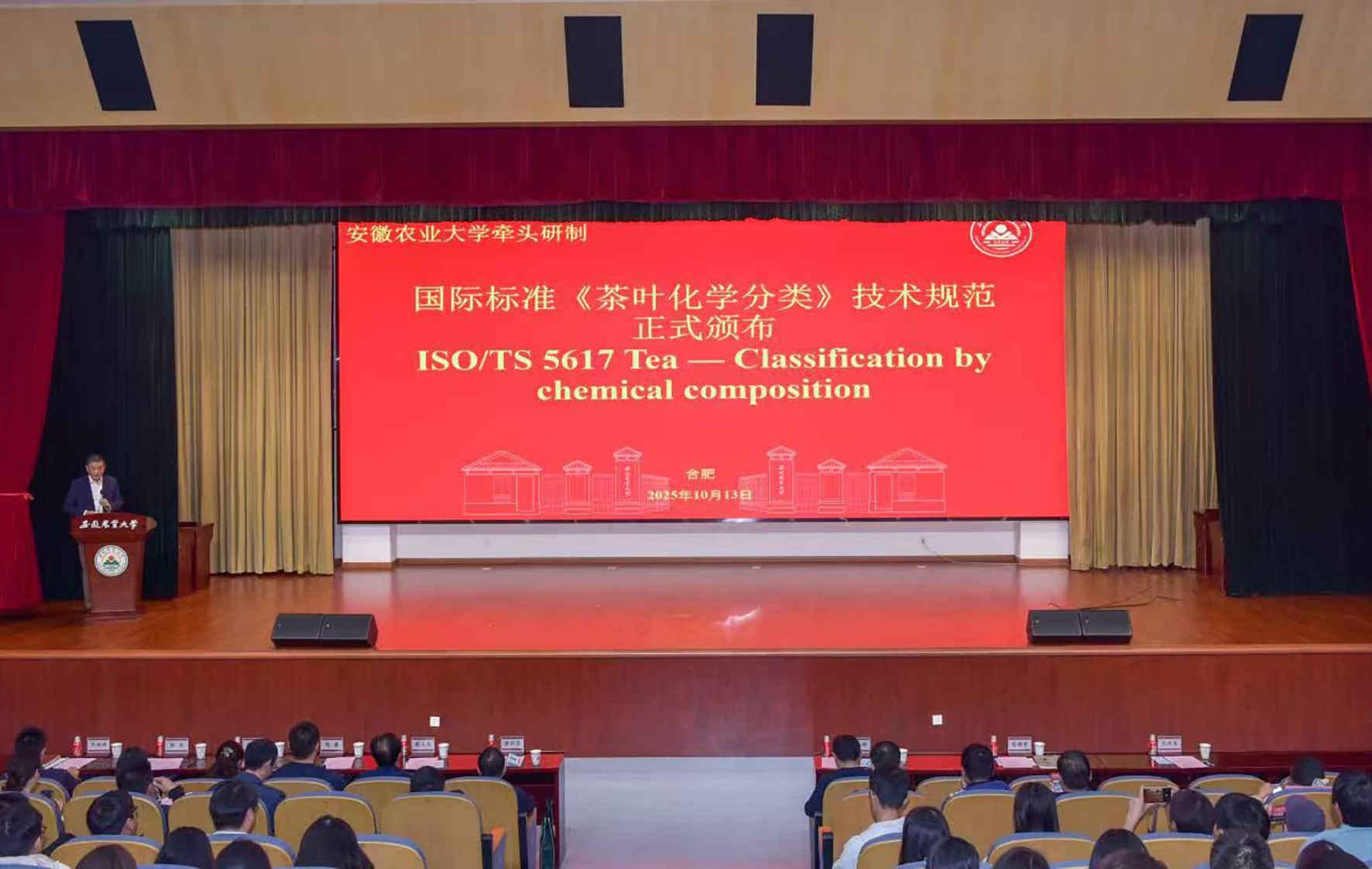
CSHS has officially gained the authority to issue group standards, scientific and technological achievement appraisal, and evaluation. This will strengthen its industry leadership and support the standardized, high-quality development of China’s horticultural sector.